
Knowledge Center
Selection guides, optics fundamentals and application notes from our engineers
Application Notes
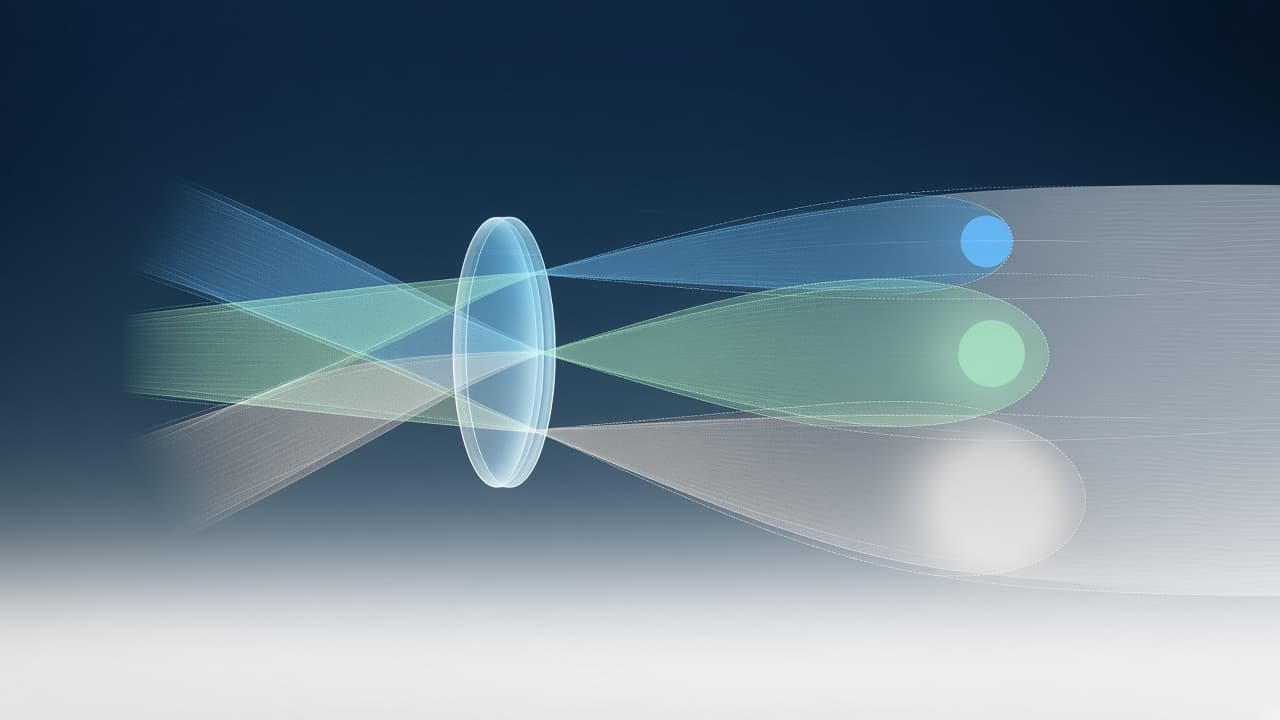
Balancing Resolution, Field of View, and Depth of Field in IVD Imaging
Resolution, FOV, and DOF are not independent checkboxes. In IVD imaging, the right lens balances object-side detail, coverage, focus tolerance, and throughput against the consumable and the mechanics. Start from feature scale and task, choose the lowest magnification that resolves the target with margin, and prototype on real consumables.
Read Article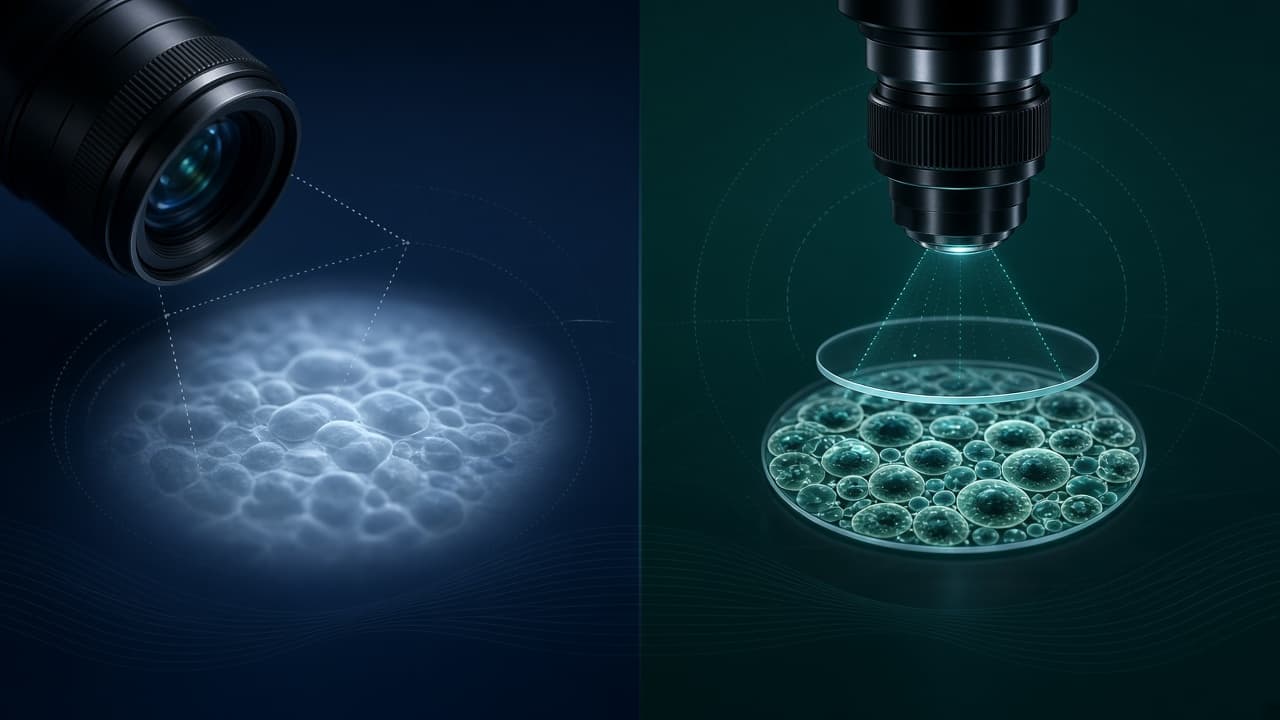
Application Notes
Seeing Bigger vs. Resolving More: Macro Lenses vs Microscope Objectives in IVD
Macro lenses balance wider field of view, depth of field, working distance, and throughput, while microscope objectives target cellular resolving power with small fields and shallow depth of field. Choose from target scale, tolerances, UPH, and optomechanical complexity—not magnification alone.
Read Article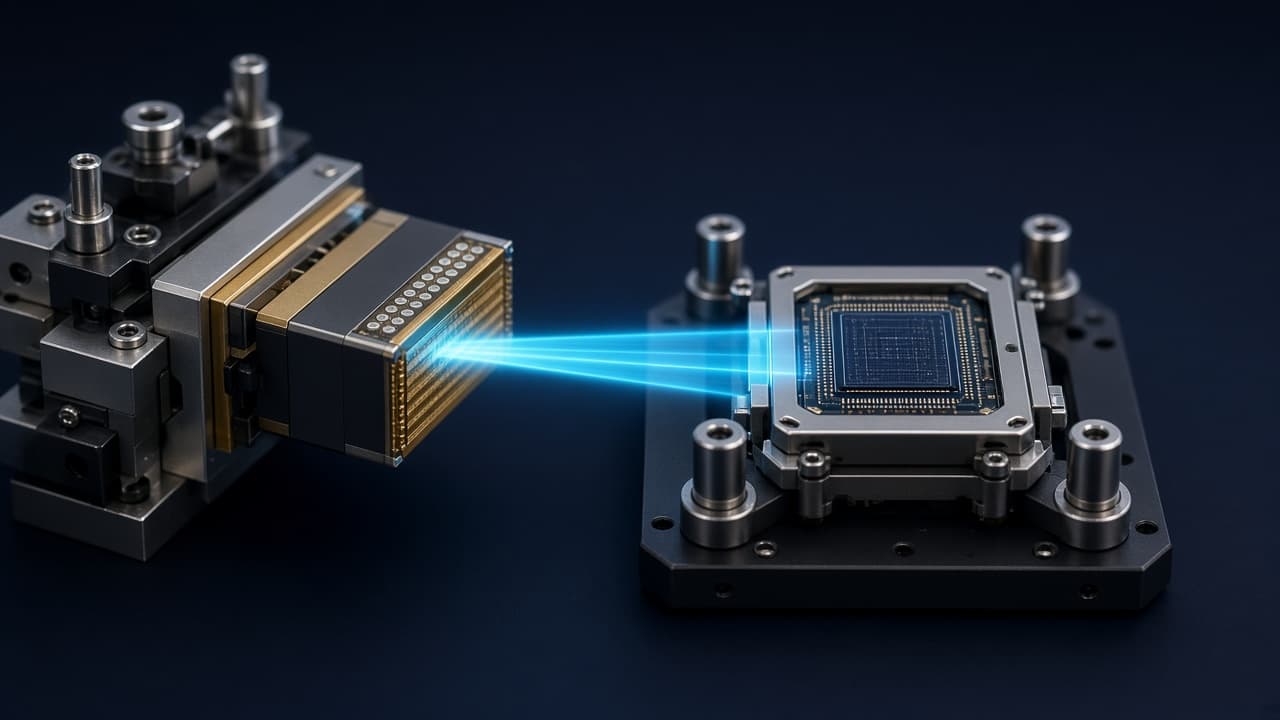
Selection Guides
Case Study: PIC and FAU Alignment
Visual Pre-Alignment Case Study: Comparison of 4× Object-Side Telecentric Lens and 4× Bi-Telecentric Lens for PIC and FAU Assembly under Coaxial Illumination Conditions.
Read Article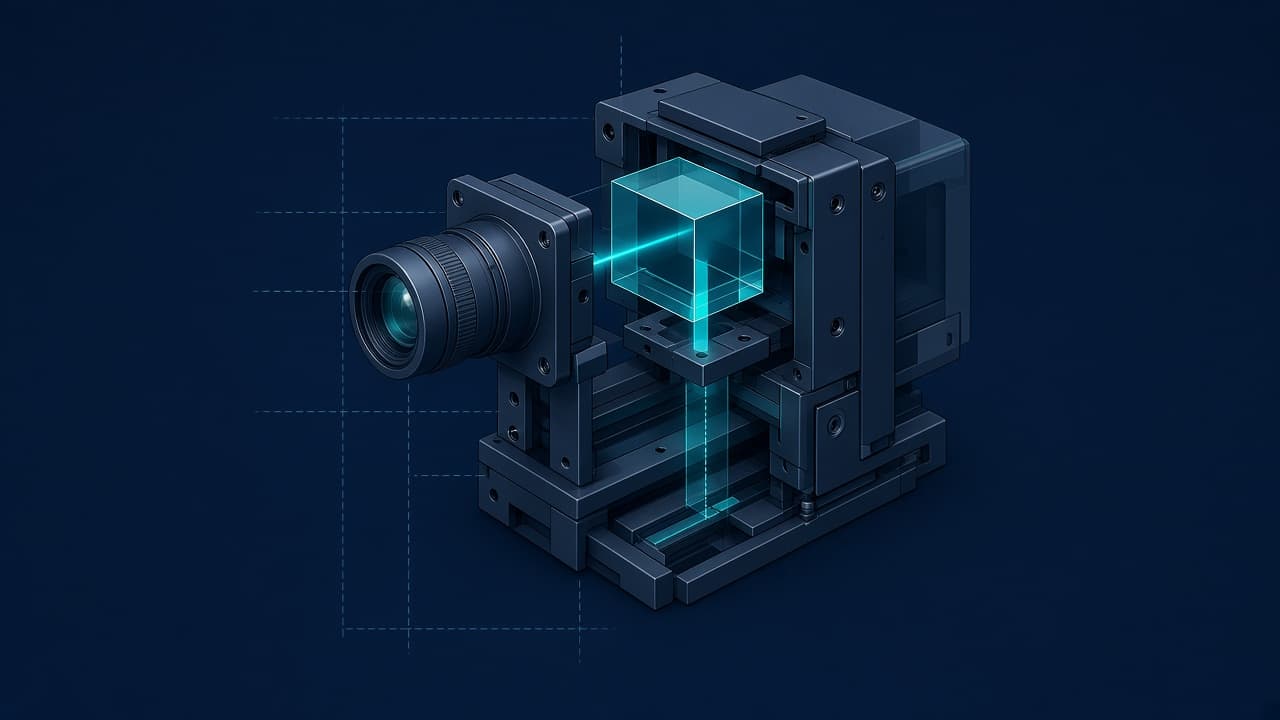
Application Notes
Selected the Right Lens but Can't Fit It into the Equipment? A 90° Prism Solves Imaging Space Constraints
In machine vision projects, lens selection must consider field of view, working distance, resolution, and installation space. A 90° right-angle prism can change the optical path direction, providing more flexible installation options for cameras and lenses without altering the main imaging parameters.
Read Article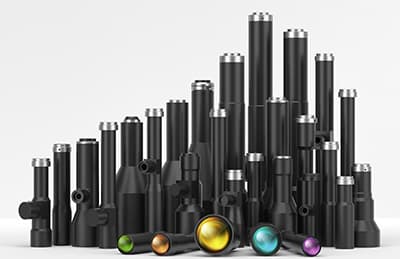
Selection Guides
How to Choose a Telecentric Lens for Measurement
Four steps from field of view, sensor size and magnification to working distance to lock in the right telecentric lens.
Read Article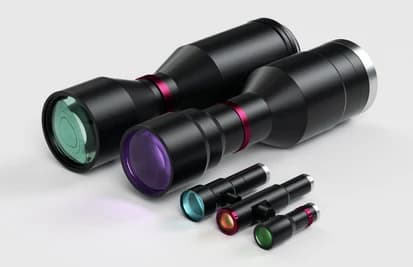
Optics Basics
Telecentric vs. Conventional Lenses
Why precision gauging demands telecentric optics — it starts with perspective error.
Read Article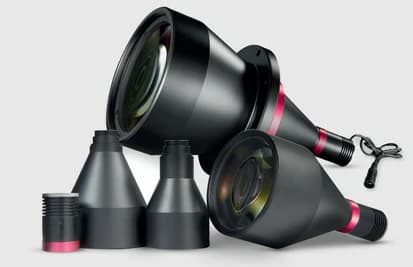
Application Notes
Why Collimated Backlights Decide Your Measurement Accuracy
Same telecentric lens, different backlight — edge localisation accuracy can differ by an order of magnitude.
Read Article